

 See My Latest Article on HelloNation
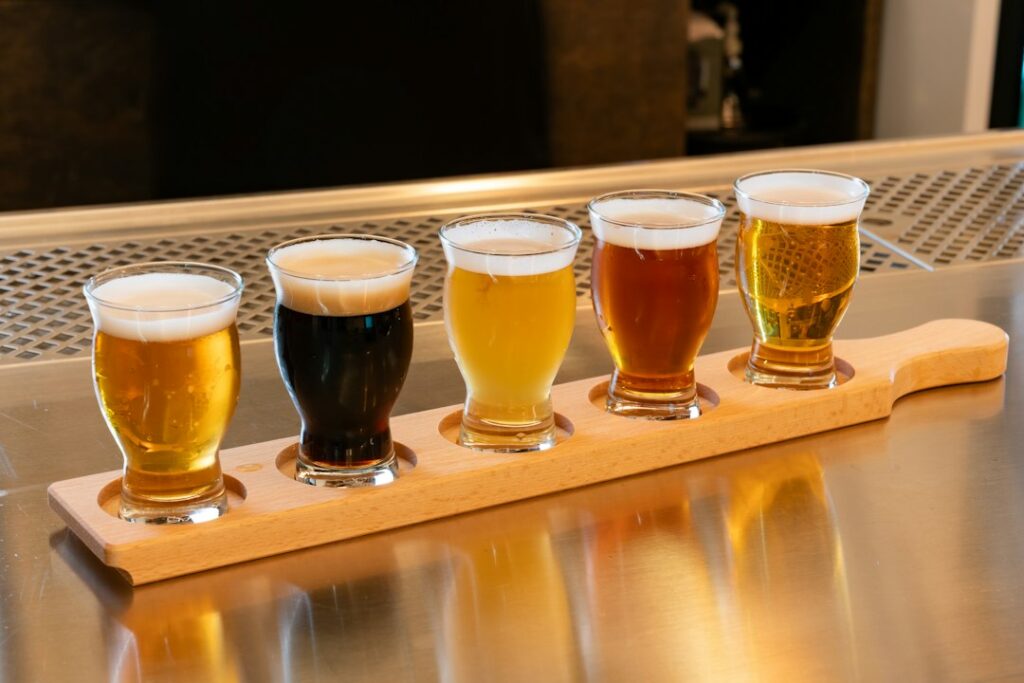
Beer is made from four basic ingredients: water, malted grain, hops, and yeast. Differences in those ingredients, along with brewing methods and fermentation conditions, create the broad range of beer styles found on menus, in grocery coolers, and at gatherings throughout Chippewa Falls.
The most useful way to understand beer is to look first at the two major families: ales and lagers. From there, styles are distinguished by color, bitterness, sweetness, alcohol strength, aroma, body, and serving temperature.
What is the difference between an ale and a lager?
Ales generally ferment with yeast that works at warmer temperatures, while lagers ferment with yeast that performs best in cooler conditions and is typically given additional time to mature. The result is not simply a difference in temperature; the yeast and fermentation process influence the beer’s flavor and texture.
Ales often have more noticeable fruit, spice, or earthy character. Lagers are commonly cleaner, crisper, and more restrained, allowing malt and hop flavors to appear with greater clarity.
This is a general guide rather than an absolute rule. Some modern ales are deliberately clean and light, while certain lagers can be rich, dark, or strongly flavored.
What are the main types of ale?
Ales include many familiar styles, from light wheat beers to dark stouts. Their flavors can range from citrus and tropical fruit to caramel, roast, pepper, or clove.
Pale ales and India pale ales
Pale ales typically balance malt flavor with noticeable hop bitterness and aroma. They may show notes of citrus, pine, flowers, or stone fruit, depending on the hops used.
India pale ales, often called IPAs, usually emphasize hops more strongly. They may be bitter, aromatic, juicy, resinous, or dry. Modern versions are not always sharply bitter; some focus on hop aroma and soft texture instead.
Common IPA variations include:
- West Coast-style IPAs, which often taste drier, clearer, and more bitter
- Hazy or New England-style IPAs, which tend to be fuller, softer, and strongly aromatic
- Double or imperial IPAs, which generally contain more alcohol and a larger hop profile
- Session IPAs, which offer hop character with a lower alcohol level
A beer’s bitterness does not always indicate its alcohol content. A relatively moderate-strength pale ale can taste more bitter than a stronger beer with a sweeter malt profile.
Wheat beers
Wheat beers use a substantial amount of wheat in the grain bill, giving them a smooth body and sometimes a cloudy appearance. Many are refreshing and lightly tart, making them popular during warmer months.
Some wheat beers have flavors of banana or clove created by the yeast, while others emphasize citrus, bread, or gentle sweetness. The presence of haze is not automatically a sign of poor quality; in some styles, it is expected.
Brown ales, porters, and stouts
Brown ales usually have flavors of toast, nuts, caramel, or light chocolate. They are often medium-bodied and less intensely roasted than darker styles.
Porters commonly feature chocolate, coffee, toasted grain, and caramel notes. Stouts can be similar but are often darker and more assertively roasted. Depending on the recipe, a stout may be dry and coffee-like, sweet and creamy, or strong and warming.
A dark color does not necessarily mean a beer is high in alcohol. Some dark lagers and dry stouts are lighter in strength than many pale ales.
Sours and wild ales
Sour beers are intentionally tart or acidic. Their flavor may suggest citrus, green apple, yogurt-like tang, stone fruit, or vinegar, depending on the brewing process.
Some are fermented with carefully selected cultures, while others use mixed fermentation or aging methods that create more complex character. Sourness varies widely, so the word “sour” does not describe one single flavor profile.
What are the main types of lager?
Lagers are often associated with crisp, easy-drinking beer, but the category includes much more than light-colored beer.
American-style light lagers
These beers are generally pale, mild, highly carbonated, and low in bitterness. They are designed to be refreshing rather than complex. Their lighter body can make them suitable for outdoor activities, casual meals, and social gatherings.
Pilsners
Pilsners are pale lagers with more noticeable hop bitterness and aroma than many light lagers. They are usually crisp, dry, and refreshing, with flavors that may include fresh grain, flowers, herbs, or light spice.
A well-made pilsner often shows that a beer does not need a heavy body or high alcohol content to have distinct character.
Amber and Vienna-style lagers
Amber lagers typically emphasize toasted bread, caramel, and lightly sweet malt flavors. Vienna-style lagers are often smooth, copper-colored, and balanced, with moderate bitterness.
These beers can work well with roasted meats, burgers, sausages, sandwiches, and other foods with toasted or savory flavors.
Bocks and other strong lagers
Bocks are stronger lagers known for rich malt character. They may taste of bread crust, caramel, toast, or dried fruit. Some are dark and warming, while others are pale and focused on honey-like malt flavor.
Because the alcohol may be less obvious than the malt sweetness, stronger lagers can be easier to drink quickly than expected. Serving size and pace matter, especially during long meals or social events.

How do beer color, bitterness, and alcohol relate?
Color can provide clues, but it does not tell the entire story. Pale beers may be bitter, while dark beers may be smooth and lightly hopped. Roasted grains create dark color and coffee-like flavor, but they do not automatically create high alcohol.
Bitterness primarily comes from hops, although roast flavors can also create a sharp or dry impression. Alcohol level is usually listed as ABV, meaning alcohol by volume. A higher ABV often means a stronger beer, but sweetness, carbonation, serving size, and drinking speed also affect how the beer feels.
Useful questions to ask when choosing a style include:
- Is a crisp, smooth, bitter, tart, sweet, or roasted flavor preferred?
- Is a lighter or fuller body more appealing?
- Is the beer intended to accompany food or stand alone?
- Is a lower alcohol option more appropriate for the occasion?
Which beer styles pair well with common foods?
Beer pairing is based on balance rather than rigid rules. A lighter beer can refresh the palate, while a fuller beer can match rich or strongly seasoned food.
Examples include:
- Pilsners with fried foods, seafood, salads, and grilled chicken
- Wheat beers with lighter salads, soft cheeses, and citrus-seasoned dishes
- Pale ales with burgers, pizza, grilled vegetables, and sharp cheddar
- Amber lagers with roasted meats, sausages, and toasted sandwiches
- Porters and stouts with smoked foods, chocolate desserts, and hearty stews
- Sours with rich cheeses, fruit-forward dishes, and foods that benefit from acidity
Seasonal conditions can influence preferences in Chippewa Falls. Cold-weather meals often pair naturally with maltier amber beers, porters, stouts, and bocks, while warm summer gatherings may favor pilsners, wheat beers, lighter lagers, and session-strength ales. Personal taste remains more important than any seasonal rule.
Why can the same beer taste different in different settings?
Serving temperature, glassware, freshness, carbonation, and food can all change how a beer is perceived. Very cold temperatures can reduce both aroma and flavor, while slightly warmer temperatures may reveal more malt, hop, or yeast character.
Highly aromatic ales often benefit from a glass that allows the aroma to collect above the beer. Crisp lagers are commonly served colder and may be enjoyed from a narrow glass or traditional serving vessel.
Storage also matters. Beer exposed to heat, light, or excessive age may lose freshness. Hop-forward beers are especially sensitive to time and storage conditions, while some strong, dark, or traditionally aged beers may develop differently.
Understanding beer styles does not require memorizing every category. Start with the broad choice between ale and lager, then consider flavor, body, bitterness, alcohol level, and the food or occasion. Those basics make unfamiliar beer descriptions easier to interpret and help local residents order or serve beer with greater confidence.