

 See My Latest Article on HelloNation
What Is Happy Hour and Where Did It Come From?
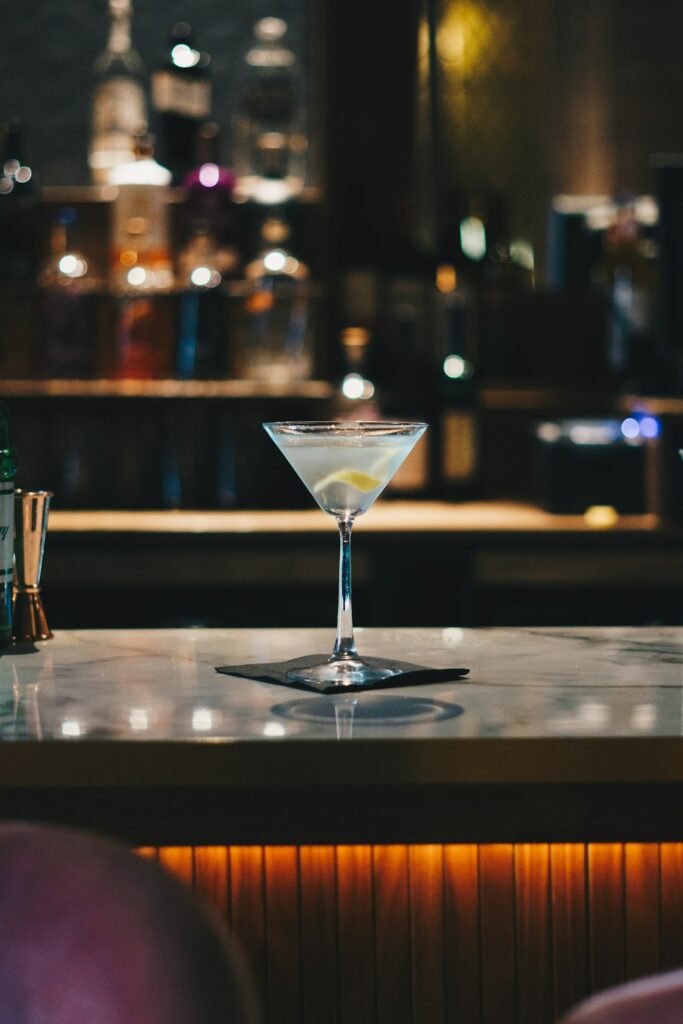
Happy hour, a tradition found at many bars and restaurants, refers to a scheduled time when drinks and sometimes food are offered at discounted prices. The concept’s history traces back to the early 20th century. Originally, “happy hour” described off-duty reprieves for U.S. Navy sailors seeking recreation. By the Prohibition era, secret gatherings for pre-dinner drinks became popular, and after alcohol restrictions ended, the idea spread into civilian nightspots across the country.
Locally, residents have likely seen happy hour appear as a regular ritual at many gathering places, serving as a way to unwind, meet friends, or enjoy lighter crowds before dinner hours. The general structure remains consistent with national patterns, but each establishment designs its own timeframes and offerings in line with state and city regulations.
When Does Happy Hour Happen in the Community?
Most commonly, happy hour occurs on weekday afternoons and early evenings—typically beginning around 3 or 4 p.m. and wrapping up by 6 or 7 p.m. Some venues might offer a secondary late-night period. Restrictions from state law mean these hours cannot extend indefinitely into the night, so times tend to be predictable.
For residents adjusting after work or managing around school pick-up routines, these hours provide a window to enjoy reduced prices without the intensity or wait times found later in the evening. Since there’s no universal happy hour slot, checking individual locations beforehand is often necessary for exact timing.
What Kind of Deals Are Usually Available?
Discounted drinks are the main attraction, but happy hour can include much more than just beer and cocktails. Common offers seen at local establishments include:
- Reduced-price draft beer, domestic options, or select craft brews
- Specials on rail drinks, well liquors, or classic cocktails
- Discounted appetizers like fried cheese curds, wings, or sliders
- Occasional half-price selected menu items
Some places also tailor their deals to the season. For example, during colder months, there may be hot drinks or chili specials, while summer might highlight lighter fare. Happy hour food deals tend to focus on smaller, shareable plates rather than full entrees, offering a way for groups to sample or split several bites.
Are There Laws or Rules Around Happy Hour in Chippewa Falls?
Wisconsin law permits happy hour but imposes certain guardrails to encourage responsible service and consumption. For example:
- No unlimited free drinks offerings
- Drink specials must occur during clearly defined hours (not all-day)
- Price cannot be lower than half of the regular menu rate for the same item
- Servers are responsible for monitoring patron safety
These regulations ensure that happy hour enhances the community’s hospitality without encouraging excess. Servers receive training on spotting over-consumption and are allowed to decline serving individuals showing signs of intoxication. Patrons are expected to respect these boundaries, supporting both safety and the overall positive atmosphere.
Who Goes to Happy Hour, and Why?
Happy hour attracts a broad cross-section of area residents. After-work gatherings are common among local professionals, while groups of friends or neighbors often meet up to catch up without committing to a pricey dinner. With options for both food and non-alcoholic beverages, happy hour can also appeal to families or those who choose not to drink alcohol.
For anyone new to happy hour, it’s helpful to remember the goal is mutual relaxation in a public space. There’s no need to over-order or stay for the entire duration. Many residents use the time to decompress, celebrate modest occasions, or spend a little less during a night out.

What’s Considered Good Etiquette During Happy Hour?
Happy hour comes with a few unspoken guidelines to ensure a pleasant, respectful experience for everyone:
- Purchase at least one item from the menu—nursing a complimentary water for the duration is discouraged.
- Tipping remains customary, even if items are discounted.
- Be mindful of table space; large groups should ask if splitting a table is possible or stick to designated standing areas when it gets crowded.
- Keep noise at a reasonable level, especially during early and family-friendly hours.
- Be patient—happy hour deals attract larger crowds and may mean slower service.
- If driving home afterward, plan for a designated driver or a safe ride option.
A little courtesy goes a long way toward fostering an environment that feels welcoming for both regulars and newcomers.
What Are Common Misconceptions About Happy Hour?
Several myths persist around happy hour, including the idea that it’s only about drinking or that it always involves extremely cheap prices. In practice, many establishments encourage responsible enjoyment and focus as much on food and atmosphere as on alcoholic drinks. Some people also worry about crowds or rowdiness—while happy hours can be busy, local venues generally maintain a casual, family-friendly setting, especially earlier in the evening.
Another misconception is that happy hour is only for certain age groups. While it does tend to draw a working-age crowd, patrons of all adult ages often take part, and some venues accommodate families before dinner.
Seasonal and Local Variations Residents Should Keep in Mind
Seasonal rhythms affect happy hour attendance and menu choices. In winter, residents might see heartier appetizers or special pricing on warming drinks, while in summer, patios and outdoor seating tend to fill up quickly during late-afternoon sun. The after-work schedule also tends to thin out during major local events or holidays, as people’s routines shift.
Since the city’s dining and social scene is shaped by its community feel, happy hour remains a popular, low-pressure way for area households to connect and try something new without a large expense.