

 See My Latest Article on HelloNation
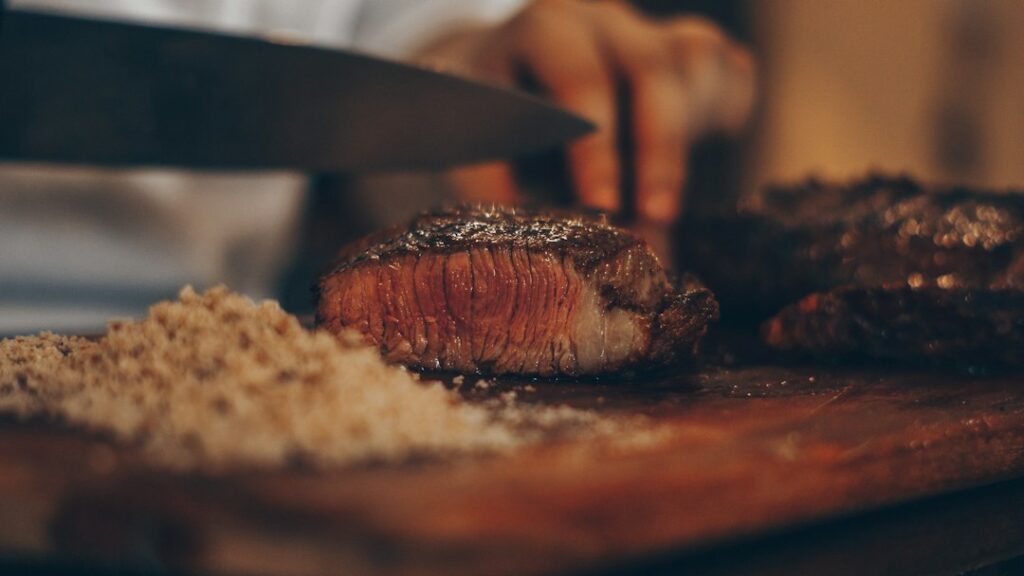
A well-cooked steak depends less on expensive equipment than on preparation, heat control, and timing. The most reliable approach is to dry the surface thoroughly, season it properly, cook with steady heat, and use an instant-read thermometer rather than relying only on appearance.
Which steak cuts work best at home?
Tender cuts such as ribeye, strip steak, and filet mignon are generally the easiest choices for a restaurant-style result. Ribeye contains more internal fat, which helps keep it moist and flavorful. Strip steak offers a firmer texture and a beef-forward taste. Filet mignon is very tender but leaner, so it benefits from careful cooking and should not be taken far beyond medium.
For consistent cooking, choose steaks that are:
- At least 1 to 1½ inches thick
- Evenly shaped rather than very thin at one end
- Well-trimmed, with a modest fat edge
- Fresh-smelling and firm to the touch
A thicker steak is often easier to cook well than a thin one because it provides more time to develop a browned crust before the center becomes overcooked. Thin steaks can still be excellent, but they require shorter cooking times and closer attention.
Should steak be brought to room temperature?
Letting steak sit briefly before cooking can reduce the temperature difference between the exterior and center, but it does not need to remain on the counter for a long period. Fifteen to 30 minutes is usually enough for practical home cooking.
The more important preparation step is drying the surface. Pat the steak thoroughly with paper towels before seasoning. Moisture on the exterior must evaporate before browning can begin, so a damp steak may steam instead of forming a deep, savory crust.
Do not leave raw steak at room temperature for extended periods. Keep it refrigerated until preparation, and avoid using a long “room temperature” rest as a substitute for proper cooking.
When should steak be salted?
Salt can be applied either shortly before cooking or well in advance. Salting 30 to 60 minutes ahead gives the salt time to draw out surface moisture and then allows some of that liquid to be reabsorbed. If there is not enough time for that process, seasoning immediately before the steak goes into the pan is preferable to salting 10 or 15 minutes beforehand.
Use enough salt to season the thickness of the meat, not just its surface. Add black pepper according to preference, keeping in mind that pepper can become bitter if exposed to extremely high heat for a long time. Some cooks add pepper after searing for that reason.
A steak does not require a complicated marinade to taste like one served in a restaurant. Salt, pepper, and a well-developed crust provide much of the flavor. A small amount of oil can help with browning, especially when using a leaner cut.
What pan is best for searing steak?
A heavy skillet with strong heat retention is usually the most dependable choice. Cast iron and thick stainless steel pans can produce excellent browning because they stay hot when the steak is added.
Preheat the pan until it is hot but not producing heavy smoke. Add a small amount of high-heat cooking oil, then place the steak in carefully. The surface should begin sizzling immediately. If the pan is overcrowded, heat drops quickly and the meat may brown unevenly.
Avoid moving the steak repeatedly during the first part of cooking. Leave it in place long enough for a browned crust to form, then turn it with tongs. Pressing down on the steak forces out juices and does not improve browning.
How do you create a restaurant-style crust?
A deep crust comes from three conditions: a dry surface, sufficient heat, and enough uninterrupted contact with the pan. Sear the broad sides first, then briefly hold the fat edge against the pan if the steak has one.
For a steak about 1 to 1½ inches thick, begin with roughly two to four minutes per side, depending on pan temperature and the desired doneness. These times are only starting points. Thickness, cut, starting temperature, and heat level all change the result.
After the main surfaces brown, reduce the heat if necessary. A small amount of butter, garlic, or sturdy herbs can be added near the end for flavor, but these ingredients should not be placed in the pan too early. Butter can burn, and burned aromatics can make the finished steak taste harsh.
Basting involves tilting the pan slightly and spooning the foaming butter over the steak. This adds flavor, but it is not required for a good result. The crust should remain the priority.
What internal temperature should steak reach?
A thermometer provides a more reliable answer than color or cooking time. Insert it through the side of the steak toward the center, avoiding large pockets of fat.
Approximate final temperatures are:
- Rare: 120–125°F
- Medium-rare: 130–135°F
- Medium: 140–145°F
- Medium-well: 150–155°F
- Well-done: 160°F and above

Remove the steak from the pan several degrees before the desired final temperature because it will continue cooking during the rest. For example, a steak intended to finish medium-rare may be removed around 125–130°F, depending on its thickness and cooking method.
For food safety, whole cuts of beef are generally less exposed internally than ground beef because contamination is primarily on the surface. The outside should be thoroughly seared. Anyone who is pregnant, immunocompromised, elderly, or otherwise at higher risk from foodborne illness may prefer following more conservative temperature guidance.
Does grilling work well in Chippewa Falls?
Grilling can produce excellent steak, but seasonal weather affects heat management. In colder months, a grill loses heat more quickly when its lid is opened, and wind can make temperatures less consistent. Allow extra preheating time and limit unnecessary lid lifting.
During winter, clear ice and snow from the area around the grill, keep the grill stable, and ensure adequate ventilation. Never use a gas or charcoal grill indoors, in a garage, or beneath an enclosed structure. Carbon monoxide can build up quickly even when doors or windows are open.
A two-zone grill setup is useful: one side provides direct high heat for browning, while the other offers gentler indirect heat for finishing a thick steak. This method is especially helpful when the exterior is browning faster than the center is warming.
Why should steak rest before slicing?
Resting gives the temperature time to even out and allows some juices to remain in the meat rather than immediately running onto the cutting board. A five- to 10-minute rest is usually sufficient for an individual steak.
Place it on a plate or cutting board without wrapping it tightly. Heavy covering can soften the crust through trapped steam. The steak will remain warm during a short rest, particularly if it is thick.
Slice across the visible muscle fibers, not parallel to them. Cutting against the grain shortens the fibers and makes each bite easier to chew. This matters especially for strip steak and other cuts with more pronounced grain.
What common mistakes make steak tough or bland?
Several problems occur repeatedly in home kitchens:
- Starting with a wet steak, which prevents strong browning
- Using a cold pan, causing pale color and longer cooking
- Overcrowding the cooking surface
- Cutting into the steak repeatedly to check doneness
- Relying only on minutes per side
- Cooking lean cuts too far beyond the preferred temperature
- Skipping the resting period
- Slicing with the grain
- Adding butter or delicate herbs before the pan temperature is under control
Good steak is mostly a matter of managing moisture and heat. Dry the surface, season deliberately, brown without constant movement, check the center with a thermometer, and rest before slicing. Those habits work in a compact kitchen, on a backyard grill during warmer weather, or indoors during the colder seasons common to local households.