

 See My Latest Article on HelloNation
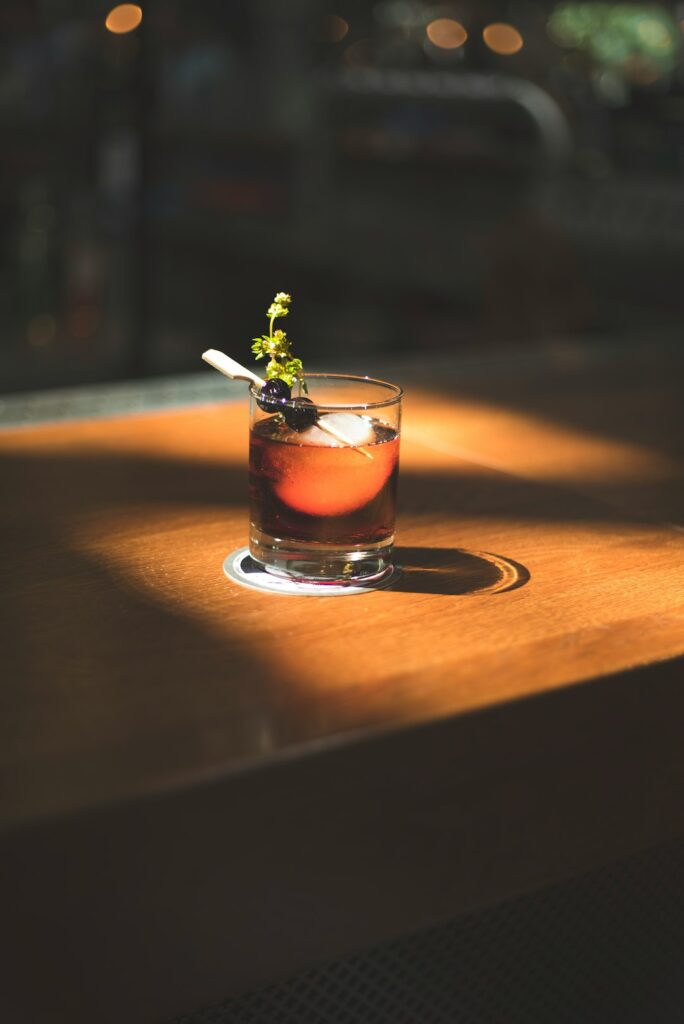
A signature cocktail is a drink built around a clear combination of flavor, texture, color, and presentation. It does not need rare ingredients or complicated techniques. A well-made house cocktail usually depends more on balance and repeatability than on novelty.
For home gatherings, seasonal dinners, or a quiet evening, creating a personal cocktail is a useful way to understand how drinks are constructed. The same method works whether the goal is a refreshing summer drink, a warming winter pour, or a lower-alcohol option.
What makes a cocktail feel “signature”?
A signature cocktail has a recognizable point of view. It may reflect a favorite flavor, a seasonal ingredient, or a particular style of serving. The drink should also be easy to describe in a sentence.
Examples include:
- A tart whiskey drink with apple and baking spice
- A bright gin cocktail with cucumber, lemon, and herbs
- A rum drink built around citrus and ginger
- A sparkling, lightly sweet drink with berries and fresh mint
- A spirit-free cocktail using tea, citrus, bitters, and soda
The most successful recipes usually contain one main flavor idea rather than several competing ones. If the drink includes fruit, herbs, spices, syrup, and multiple liqueurs, it can become difficult to identify what makes it distinctive.
Start with a simple flavor plan
Before mixing, decide what role each ingredient will play. Most balanced cocktails include five basic elements:
- Base: The primary spirit or nonalcoholic foundation
- Acid: Lemon, lime, grapefruit, or another tart ingredient
- Sweetness: Syrup, honey, fruit juice, or a sweet liqueur
- Water or dilution: Added through shaking, stirring, melting ice, or a small amount of water
- Aroma: Herbs, spices, citrus peel, flowers, or other finishing elements
Not every drink needs all five in equal amounts. A spirit-forward drink may use very little acid, while a sour-style cocktail depends heavily on citrus and sweetness.
A useful starting formula for a shaken sour is:
- 2 ounces of base
- ¾ ounce of fresh citrus juice
- ½ to ¾ ounce of sweetener
- Ice for chilling and dilution
This is a starting point, not a fixed rule. A sweeter fruit juice may require less syrup, while a particularly tart citrus may need more sweetness.
How should the base spirit be chosen?
Choose the base according to the flavor direction, not simply according to what is available. Vodka is relatively neutral and allows fruit, herbs, and spices to stand out. Gin adds botanical notes. Rum can bring sugarcane, vanilla, or tropical flavors. Whiskey contributes oak, caramel, spice, and warmth. Tequila-style spirits often work well with citrus, herbal ingredients, and savory flavors.
For a first attempt, use a base with a profile that is familiar. A strong or highly distinctive spirit can dominate delicate ingredients. If the finished drink tastes mostly like alcohol, the issue may be an overly forceful base, insufficient dilution, or too little acidity and sweetness.
A signature drink should also be practical to reproduce. Using a spirit that is already part of the household bar makes it easier to test and serve the recipe consistently.
How do you balance sweet, sour, bitter, and strong flavors?
Balance is usually more important than complexity. Taste the drink for four common problems:
- Too sour: Add a small amount of sweetener.
- Too sweet: Add citrus, a splash of soda, or more base.
- Too strong: Shake or stir longer with ice, then add a little dilution.
- Too flat: Add a small amount of citrus, bitters, salt solution, or aromatic garnish.
Make changes gradually. A teaspoon can alter the drink significantly, especially in a single serving.
A small pinch of salt or a few drops of saline solution can soften harsh bitterness and make fruit flavors seem clearer. Salt should not make the drink taste salty. Bitters can add depth, but they should support the primary flavor rather than cover up an unbalanced recipe.
Should fresh ingredients be used?
Fresh citrus generally produces a brighter flavor than bottled juice. Lemons and limes are particularly useful for testing recipes because their acidity helps define the drink’s structure.
Fresh herbs should be handled gently. Slapping a mint sprig between the hands can release aroma without making the drink taste grassy. More robust herbs, such as rosemary or thyme, can be used in a syrup or as a restrained garnish.
Seasonal produce can also shape a drink. In the Upper Midwest, apples, cranberries, pears, maple, honey, and warming spices can work well during cooler months. In warmer weather, cucumber, berries, watermelon, basil, and lighter citrus flavors may be more appealing. Locally available produce can vary from season to season, so flexibility is more useful than designing a recipe around one exact ingredient.
What is the easiest way to make a homemade syrup?
A basic syrup uses equal parts sugar and water by volume. Combine the ingredients in a saucepan over low heat and stir until the sugar dissolves. Let the mixture cool before using it.
For a richer syrup, use two parts sugar to one part water. This creates a thicker, sweeter mixture that can add body to whiskey drinks and dessert-style cocktails.
Flavor can be added by briefly steeping ingredients such as:

- Cinnamon sticks
- Fresh ginger
- Rosemary or thyme
- Citrus peel
- Vanilla
- Whole cloves
Strain the syrup before storing it in a clean, sealed container. Keep homemade syrups refrigerated and discard them if they develop mold, fermentation, unusual odor, or an off flavor. Smaller batches are often better because they are easier to use while fresh.
When should a cocktail be shaken or stirred?
Shake a drink when it contains citrus juice, fruit, dairy, egg white, syrup, or another ingredient that needs to be thoroughly combined. Fill a shaker with ice, seal it firmly, and shake until the outside becomes cold and frosty.
Stir drinks that are mostly spirits, such as combinations of whiskey, vermouth, or liqueurs. Stirring creates a smooth texture while adding controlled dilution.
If a shaker is not available, a clean jar with a secure lid can work for shaking. Use caution when opening it because pressure may build inside. A mixing glass, pitcher, or sturdy drinking glass can be used for stirred drinks.
How should the drink be tested?
Test one serving at a time and write down the measurements. Memory is unreliable when making small adjustments, especially if several ingredients are involved.
A practical testing process is:
1. Mix the base recipe exactly as measured.
2. Taste it after chilling and dilution.
3. Change only one ingredient.
4. Record whether the change improved the drink.
5. Repeat until the flavor is balanced.
6. Prepare a second serving to confirm the result.
Taste the cocktail in the glass in which it will be served. Ice, temperature, dilution, and garnish all affect the final experience.
What glass and garnish should be used?
The glass should suit the drink’s temperature and volume. A tall glass works well for drinks lengthened with soda or another mixer. A short rocks glass suits spirit-forward cocktails. A stemmed glass can make a chilled, strained drink feel more refined, but it is not required for quality.
Garnishes should provide aroma, color, or a small flavor connection. Good choices include:
- A wide strip of citrus peel
- A fresh herb sprig
- A few berries
- A thin apple or cucumber slice
- A dusting of spice
- A small piece of candied ginger
Avoid garnishes that are difficult to eat, shed heavily into the drink, or overpower its aroma. A simple garnish often looks more intentional than an overloaded one.
How can the recipe be made suitable for a gathering?
Write the finished recipe in ounces or another consistent measurement and decide whether it will be served over ice, up, or with a mixer. For multiple servings, combine ingredients in a pitcher but add ice only shortly before serving so the drink does not become excessively diluted.
Keep a nonalcoholic version in mind. Citrus, syrups, tea, herbs, bitters labeled as alcohol-free, and sparkling water can create a thoughtful alternative. Clearly identify which drinks contain alcohol, and serve responsibly. A signature cocktail should be enjoyable, but it should never encourage overconsumption or impaired driving.
A strong final recipe is one that tastes balanced, can be made with reasonable effort, and still feels recognizable after several attempts. The drink does not need an unusual name or elaborate decoration. Its identity comes from a dependable flavor combination that suits the occasion and the people enjoying it.