

 See My Latest Article on HelloNation
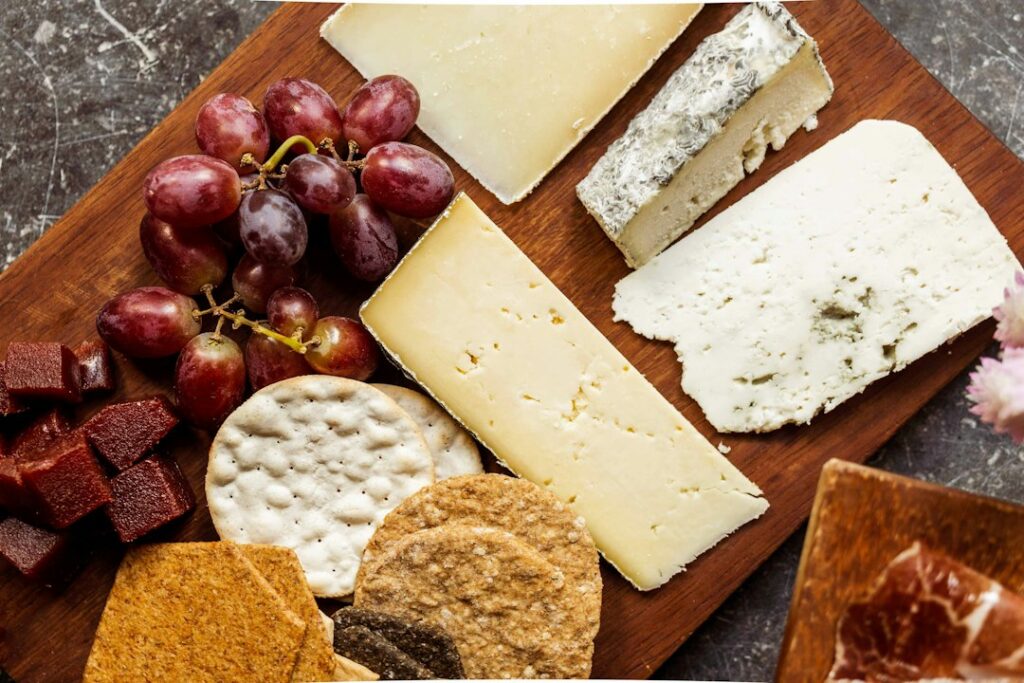
A successful cheese board is built around contrast, not quantity. Choose a few cheeses with different textures, milk types, ages, and flavor strengths so each bite offers something distinct without overwhelming the people sharing it.
For households in Chippewa Falls, WI, cheese boards can work equally well for a winter gathering, a casual holiday table, or an outdoor meal during warmer months. The key is selecting cheeses that are enjoyable on their own and practical to serve at the temperature and pace of the occasion.
How many cheeses should a cheese board include?
For most gatherings, three to five cheeses provide enough variety without making the board confusing or wasteful. A smaller board can feel complete with three carefully chosen options.
A useful starting point is:
- One familiar cheese
- One soft or creamy cheese
- One firmer, aged, or more strongly flavored cheese
- An optional blue, washed-rind, or specialty cheese for added contrast
For a small snack board, plan about two to three ounces of cheese per person if other foods are being served. If cheese is the main food, increase the amount. It is usually better to offer a modest selection that is eaten at its best than a large assortment that sits unfinished.
What types of cheese belong together?
The best combinations usually include differences in texture and flavor. Selecting several cheeses that are all mild, soft, or sharp can make the board feel flat.
A balanced assortment might include:
A soft cheese: Brie, Camembert, fresh chèvre, or another spreadable style. These add creaminess and pair well with fruit, crackers, and mild nuts.
A semi-firm cheese: Havarti, young Gouda, Monterey Jack, or similar cheeses provide a familiar middle ground. They are approachable for guests who may not want an intense flavor.
A firm or aged cheese: Aged cheddar, Parmesan-style cheese, aged Gouda, or Manchego-type cheese brings salt, nuttiness, and a more concentrated taste.
A blue or bold cheese: Blue cheese can add depth, but it does not need to dominate the board. A small portion is often enough, especially when the rest of the selection is mild.
A good board should give guests a clear progression from gentle to more assertive flavors. Place the mildest cheese near the beginning of the tasting area and the strongest cheese toward the other end.
Should the cheeses come from different types of milk?
Using different milk types can add variety, but it is not required. Cow’s milk cheeses are often the easiest foundation because they range from mild to complex and are familiar to many guests.
Goat’s milk cheeses may offer a tangy, earthy, or lightly citrus-like flavor. Sheep’s milk cheeses are often rich, nutty, and firm, particularly when aged. If using multiple milk types, keep the flavors balanced rather than choosing several intense cheeses at once.
Milk type is only one factor. Age, production method, moisture level, rind, and seasoning also affect the final flavor. A young goat cheese and an aged goat cheese may taste very different, just as a fresh cow’s milk cheese differs from a long-aged variety.
How can a cheese board accommodate different preferences?
Start with at least one cheese that is familiar and mild. This could be a young cheddar, Havarti, Gouda, or another semi-firm cheese with a gentle flavor. Then add one or two more distinctive options for guests who enjoy stronger tastes.
Avoid assuming that the most unusual cheese will be the most interesting choice. A well-made mild cheese can be just as satisfying as a pungent one, especially when paired with the right accompaniment.
For mixed groups, consider including:
- A cheese with no edible rind for guests who prefer a simple texture
- A soft cheese that can be spread
- A firm cheese that can be sliced or cubed
- A stronger cheese served in a smaller portion
- A clearly separated option for guests avoiding certain milk types or ingredients
If allergies or dietary restrictions are involved, read the label carefully. Cheese may contain added ingredients, and some products can be exposed to shared processing equipment.
What should be considered for seasonal serving?
Season affects how cheese behaves on the board. During colder months, a firm cheese may remain pleasantly sliceable for longer, while soft cheeses may need extra time to soften before serving. In warm weather, soft cheeses can become too loose, oily, or difficult to handle if left out for extended periods.

A practical approach is to remove cheese from refrigeration about 30 to 60 minutes before serving, depending on the size and style of the piece. Large wedges take longer to soften than thin slices. Keep soft cheeses and cut portions protected from direct sunlight, heating vents, and warm outdoor surfaces.
For a gathering in a heated home during a Chippewa Falls winter, avoid placing the board directly beside a stove, fireplace, or radiator. For summer serving, prepare smaller portions and replenish them from the refrigerator rather than leaving the entire supply outside.
How should cheese be paired with other foods?
Accompaniments should support the cheese rather than compete with it. Choose a few items with different roles:
- Fresh fruit adds moisture and acidity.
- Dried fruit contributes concentrated sweetness.
- Nuts provide crunch and richness.
- Plain crackers offer a neutral base.
- Pickled vegetables or olives cut through fatty cheeses.
- Honey, fruit preserves, or chutney can complement salty or tangy varieties.
- Sliced bread works well with soft, spreadable cheese.
Match the intensity of the pairing to the cheese. A delicate fresh cheese may disappear beside a strongly spiced chutney, while aged cheddar can handle bold fruit preserves or whole-grain mustard.
Sweet foods are not required. A board built around cheese, toasted nuts, crisp vegetables, pickled items, and sturdy bread can feel balanced without added sugar.
What are common cheese board mistakes?
The most frequent problem is choosing too many similar cheeses. Four soft cheeses may look attractive but provide little textural contrast. Another mistake is serving every cheese cold. Chilled cheese can taste muted and feel firmer than intended.
Cutting the entire board in advance can also create problems. Exposed surfaces dry out more quickly, especially in heated indoor air. Cut only some of the cheese and leave the rest in larger pieces when practical.
Strong cheeses should not be allowed to touch delicate ones. Their aromas and flavors can transfer, making mild cheeses taste more assertive than intended. Use separate spaces on the board and provide individual knives for soft and strong varieties.
Finally, do not overlook labeling. Small handwritten notes identifying the cheese, milk type, or general flavor profile help guests make comfortable choices and reduce repeated questions during a gathering.
What is a simple formula for choosing the right cheeses?
A dependable formula is to select one familiar cheese, one soft cheese, one aged cheese, and one optional bold cheese. Then add two or three accompaniments that provide acidity, sweetness, or crunch.
For example, a balanced board might include a mild semi-firm cheese, a creamy soft cheese, an aged nutty cheese, sliced apples, dried fruit, plain crackers, and toasted nuts. Another version could use a fresh goat cheese, a young cheddar, a firm sheep’s milk cheese, pickled vegetables, bread, and honey.
The strongest cheese board is not necessarily the largest or most expensive. It is the one that offers variety, respects the setting, and gives each guest an appealing place to begin.