

 See My Latest Article on HelloNation
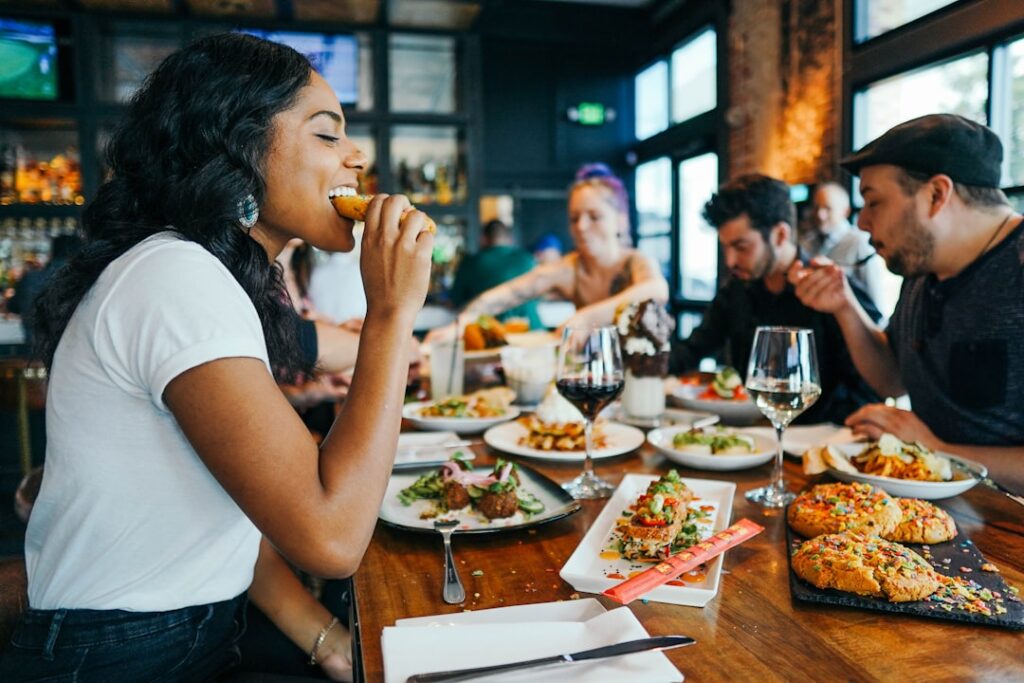
How Does Behavior Influence Service in Chippewa Falls, WI Restaurants?
Being considerate and clear with staff often leads to a smoother, more enjoyable meal experience. Local dining culture is generally relaxed and friendly, so a pleasant attitude goes a long way.
Polite greetings and friendly eye contact help set a positive tone. Servers in the city’s restaurants often serve multiple tables, especially during local events or peak seasons. A bit of patience during busy times, along with clear communication about allergies or preferences, helps staff anticipate and meet your needs.
Small gestures—like saying “thank you” or acknowledging good service—are appreciated. Misunderstandings can sometimes be avoided by asking questions if something isn’t clear rather than making assumptions or demands.
What’s the Best Way to Voice a Special Request or Dietary Need?
Clearly explaining needs at the outset builds trust and helps staff deliver a better experience. Most area kitchens accommodate common dietary restrictions when informed early.
Try to:
- Politely state allergies, sensitivities, or ingredient concerns when ordering—not after food has arrived
- Ask if substitutes are possible if a menu item doesn’t fit your requirements
- Use specific examples (“no dairy, please”) rather than vague phrases
Remember that not every change can be made on short notice, especially during busy hours. Staff generally want guests to enjoy their food and will try to help if given timely information.
Does Tipping Impact Service Quality?
Tipping fairly is customary and signals respect for the local hospitality industry. While tips are never required for good service, they recognize hard work and can influence lasting relationships with staff you may see again.
A tip of 15-20% is typical for satisfactory service in the community. If service exceeds expectations or staff manage a challenging request with a positive attitude, local residents sometimes choose to tip higher. Tipping is also a way of supporting seasonal or part-time workers who help keep local dining vibrant.
Are There Busy Times to Consider?
Peak hours often mean longer waits and busier staff, especially on weekends, after local games, or during festival seasons. Understanding these patterns helps set expectations and makes it easier to plan for a relaxed meal.
Here are a few strategies:
- Weekday evenings tend to be less crowded than weekends
- Arriving early or later than standard meal times can shorten wait times and lead to more attentive service
- Larger groups benefit from calling ahead, but even small parties sometimes face delays during special events
Bringing patience during local rushes shows respect for both staff and other guests.
How Can Communication Make a Difference?
Clear, open interactions streamline service and minimize mistakes. Staff in Chippewa Falls are accustomed to guests who ask questions—whether about ingredients, timing, or local specialties.
If something is missing or not as expected, polite and direct communication helps resolve the issue. Rather than waiting until after the meal to share concerns, mentioning them calmly in the moment allows the team to address the situation quickly.

Most staff appreciate honesty when something is unsatisfactory and will do what they can to correct genuine errors.
What Courtesy Is Expected from Diners?
Respect for other customers, staff, and the dining environment is part of the local culture.
Practices that foster positive experiences include:
- Arriving on time for reservations to avoid delays for other groups
- Supervising young children and keeping noise levels reasonable
- Placing mobile devices away during ordering and interactions
- Limiting seat changes after being seated, particularly when tables are scarce
Local residents value being mindful of the shared nature of restaurants and showing kindness to hardworking staff.
Are There Seasonal or Weather-Related Service Challenges?
Chippewa Falls experiences distinct seasons, including winter weather that can impact service staffing and kitchen timing. Plan ahead during snowstorms or consider that staff may be short-handed during severe weather. In summer, outdoor dining spaces may fill up quickly or close due to unexpected rain.
Letting staff know if you’re in a hurry or happy to relax can help them pace your meal. If plans change because of weather, sharing your needs promptly is helpful for everyone.
What Are Some Misconceptions About Service in Local Restaurants?
Many assume that faster service always means better service, but in the city’s independent restaurants, personalized attention often takes time. Another common misconception is that “the customer is always right”—locally, the best results happen when both staff and guests work together with respect.
Service can differ between establishments, but kindness and flexibility are consistently valued by area households.