

 See My Latest Article on HelloNation
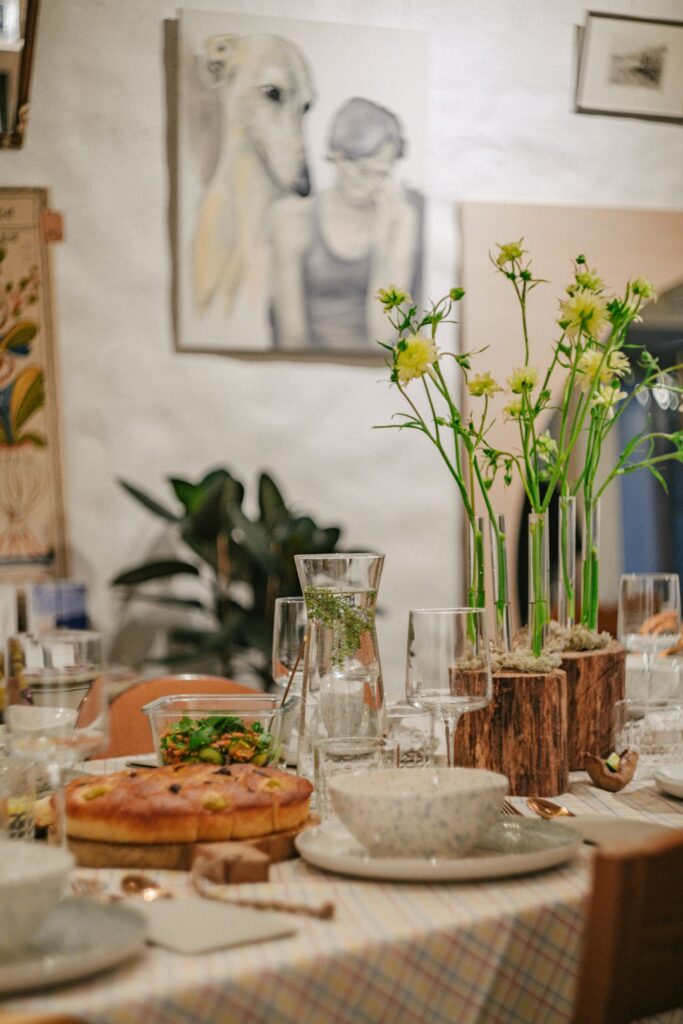
A memorable dinner party at home does not require a complicated menu, expensive tableware, or a perfectly styled dining room. The strongest gatherings usually come from thoughtful planning: a comfortable setting, food that can be managed without constant attention, and enough time for guests to talk.
For households in Chippewa Falls, WI, seasonal weather, varied home layouts, and different levels of kitchen space can affect how a dinner party works. A practical plan should fit the home, the season, and the people attending.
How should the guest list be planned?
A successful dinner party usually begins with a guest list small enough to support conversation. For many homes, six to eight guests is a comfortable size, especially if the dining table or kitchen workspace is limited.
Consider the group’s dynamics before sending invitations. Guests do not need to share the same interests, but it helps to include a mix of people who are likely to participate in conversation without requiring constant attention from the host.
Ask about the following in advance:
- Food allergies and medically necessary restrictions
- Vegetarian or other dietary preferences
- Transportation or arrival concerns
- Whether children will attend
- Preferred start and end times
A clear invitation should include the date, arrival time, general meal style, and any useful clothing guidance. During colder months, mention where coats and boots can be placed. In warmer weather, guests may appreciate knowing whether outdoor seating or a patio area will be used.
What makes a dinner party menu manageable?
The most reliable menu includes dishes that can be prepared ahead, held at a safe temperature, or finished quickly. A host should avoid choosing several recipes that all require last-minute cooking, careful timing, or constant stirring.
A balanced menu might include:
- A simple appetizer that can be set out before guests arrive
- One main dish
- Two side dishes with different textures
- Bread or another easy starch
- A dessert prepared earlier in the day
For a cool-season gathering, a braised dish, soup, roast, or baked casserole can reduce last-minute pressure. In warmer months, grilled foods, composed salads, chilled vegetables, and fruit-based desserts may keep the kitchen more comfortable.
A useful rule is to make only one dish technically demanding. If the main course requires close attention, the remaining food should be straightforward. If dessert involves several steps, the rest of the meal should be easier to organize.
How far ahead should the food be prepared?
Most dinner-party stress comes from underestimating preparation time. A written schedule can prevent small tasks from competing with one another.
The day before the gathering, prepare anything that improves with resting or can be stored safely, such as:
- Sauces, dressings, and marinades
- Baked desserts
- Chopped vegetables
- Table decorations
- Serving dishes and utensils
On the day of the party, finish cold dishes earlier and organize ingredients for the main course. Place each ingredient near the equipment needed to prepare it. This simple setup reduces searching and helps the kitchen stay orderly.
Allow at least 30 minutes before arrival for changing clothes, clearing counters, checking the temperature of the home, and taking a short break. Guests notice a relaxed host more than they notice whether every dish arrives at the exact same moment.
How can a home feel welcoming without elaborate decorating?
A welcoming setting depends more on comfort and function than decoration. Clear unnecessary items from the entryway, dining surface, and main seating area. Make sure guests have somewhere to place coats, bags, and wet footwear.
Lighting has a strong effect on the atmosphere. Overhead lighting can feel harsh, while a combination of lamps and modest table lighting creates a calmer environment. Candles may add warmth, but they should be placed securely away from sleeves, napkins, and crowded serving areas.
The table should provide enough room for plates, glasses, serving utensils, and conversation. If the table is full, remove decorative objects before adding more food. A folded cloth napkin, seasonal branch, or small arrangement is usually sufficient.
In homes with open kitchen and living areas, arrange chairs so guests can see one another rather than focusing entirely on the cooking area. In smaller rooms, fewer table decorations help preserve elbow room and clear sightlines.
What should be served before dinner?
The arrival period should offer guests something easy to eat and drink without creating a second meal. A small selection is usually better than a crowded spread.
Good choices include:
- Vegetables with a simple dip
- Cheese or another protein paired with crackers
- Warm bread or savory pastries
- Fruit, nuts, or marinated vegetables
Offer at least one nonalcoholic beverage that feels intentional rather than like an afterthought. Sparkling water with citrus, iced tea, or a seasonal fruit drink can serve all guests, including those who are driving, avoiding alcohol, or simply prefer another option.
If alcoholic beverages are served, keep the selection limited and provide food and water alongside them. A dinner party should not depend on alcohol for energy or entertainment.

How should the host handle dietary restrictions?
Dietary needs should be treated as part of planning rather than as an inconvenience. Ask specific questions instead of relying on broad labels. For example, a guest may avoid an ingredient because of an allergy, medical condition, religious practice, or personal preference.
Prevent cross-contact by using clean utensils, separate preparation surfaces when needed, and clearly identified dishes. If a restriction is severe, explain the ingredients plainly and avoid guessing about packaged components.
A flexible menu can help everyone eat comfortably. Serving sauces separately, offering several side dishes, and choosing a naturally adaptable main course can reduce the need to prepare an entirely separate meal.
Guests should not be pressured to explain private health information at the table. A brief, practical conversation before the event is usually enough.
What makes conversation flow naturally?
Conversation improves when the physical setting supports it. Seat guests so that no one is isolated at the end of a long table or blocked by large serving dishes. If the group includes people who do not know one another, place guests with shared interests near each other while still mixing the seating arrangement.
The host can help the evening begin with low-pressure subjects, such as seasonal activities, cooking experiences, books, local events, hobbies, or recent travel. Sensitive topics do not need to be banned, but the host should be ready to redirect a conversation that becomes uncomfortable or excludes part of the table.
Small pauses are normal. Background music should remain quiet enough that guests do not need to raise their voices. In a compact dining area, silence between courses may feel more natural than constant entertainment.
How can the evening stay on schedule?
A dinner party does not need a strict timetable, but a loose sequence helps. A practical format is:
- Guests arrive and have a light snack
- Drinks and conversation continue for 30 to 45 minutes
- Dinner is served once most guests have arrived
- Dessert follows after the table has had time to settle
- Coffee, tea, or another closing beverage is offered without rushing people out
Build in extra time for winter arrivals, wet outerwear, and slower travel conditions. During warm-weather gatherings, allow flexibility if guests spend time outdoors before dinner.
Serving food in courses can create rhythm, but family-style service may be easier for a relaxed gathering. Choose the approach that best fits the table size, menu, and available serving space.
What are common dinner-party mistakes?
Several avoidable problems can make a gathering feel more difficult than it needs to be.
Common mistakes include:
- Preparing too many dishes
- Choosing recipes that all require the oven at once
- Serving oversized portions
- Forgetting nonalcoholic beverages
- Leaving no place for coats or bags
- Cleaning continuously instead of joining the gathering
- Waiting until guests arrive to discover missing ingredients or serving utensils
A useful preparation step is to place every serving dish, utensil, glass, and ingredient in position before the first guest arrives. This “dry run” often reveals practical problems that recipes do not mention.
The goal is not to create a restaurant-style performance. A good dinner party gives people a comfortable reason to gather, food that is handled with care, and enough space for conversation. In Chippewa Falls, changing seasons and different home styles may shape the details, but hospitality remains largely a matter of preparation, consideration, and a pace that allows everyone—including the host—to enjoy the evening.