

 See My Latest Article on HelloNation
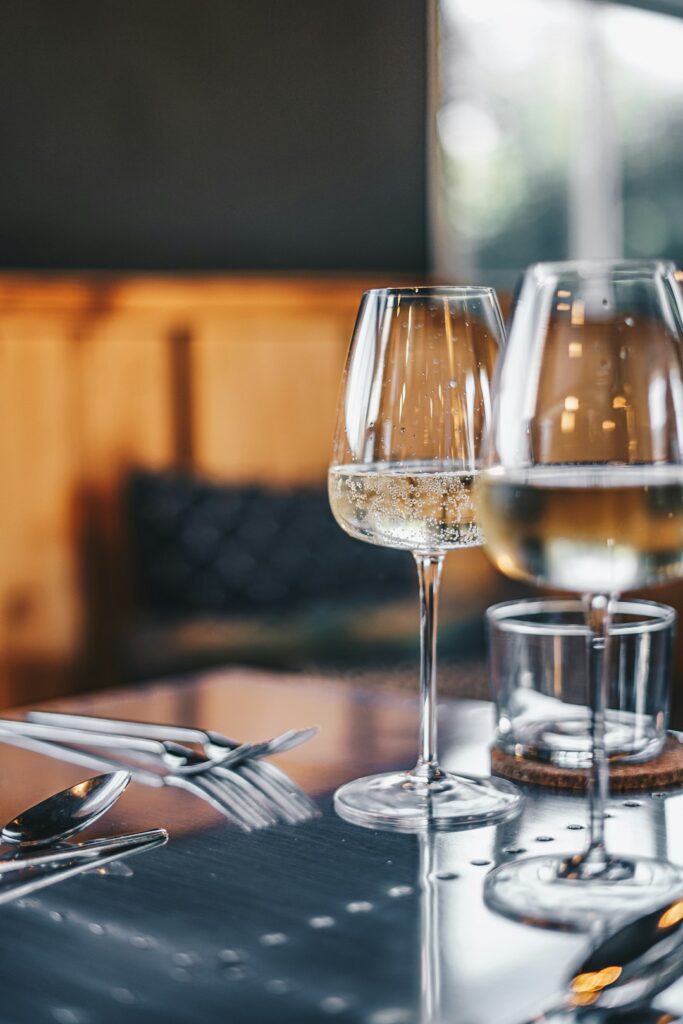
How Does Wine Pairing Work?
Wine pairing involves selecting a wine that complements the flavors and textures of a meal, creating a more enjoyable dining experience. Matching food and wine can highlight subtle flavors, tone down strong ingredients, or create an appealing contrast between the two. Residents of Chippewa Falls, WI may find that successful pairings can enhance both everyday meals and special occasions, whether dining in or hosting at home.
What Basic Principles Help With Food and Wine Pairings?
At its core, pairing wine with food relies on principles of balance—matching the intensity, acidity, sweetness, and other flavor characteristics in both. For households in the community, these guidelines can be an easy starting point:
- Balance richness: Heavier dishes—like hearty roasts or creamy casseroles—often pair well with fuller-bodied wines, while lighter fare suits lighter wines.
- Match acidity: Dishes with citrus or vinegar typically go best with crisp, acidic wines so neither overpowers the other.
- Consider sweetness: Sweeter foods—think glazed ham or fruit desserts—usually taste best with wines that have equal or greater sweetness.
- Think about tannins: Rich red wines with tannins can complement fatty foods, helping cleanse the palate after each bite.
- Pay attention to flavors: Echo flavors across the meal and wine, such as pairing grilled meats with smoky reds or seafood with mineral-driven whites.
Which Local Foods Are Easy to Pair With Wine?
Many kitchens in the area feature staples like Wisconsin-made cheese, freshly caught fish, venison, and seasonal produce. These local favorites provide good opportunities for exploring pairings:
- Cheese Plates: Try matching soft cheeses with crisp white wines and aged cheeses with robust reds. A Wisconsin-style cheese curd, slightly salty and fresh, can work well with a dry Riesling or a light Pinot Noir.
- Freshwater Fish (Walleye, Perch): Mild, flaky fish pairs nicely with light white wines. Sauvignon Blanc or unoaked Chardonnay are safe bets.
- Venison Stew: Local game dishes benefit from red wines with earthiness or spice, such as Syrah or Cabernet Franc.
- Summer Grilled Vegetables: Try a dry rosé or a crisp Sauvignon Blanc to highlight the natural sweetness and char.
What Wine With Popular Takeout or Home Dishes?
Weeknight dinners call for practical, flexible options that fit common household routines.
*Pizza (various toppings)*:
- Margherita or veggie: Lighter-bodied reds like Pinot Noir or Chianti.
- Meat-lovers: A bolder red such as Zinfandel.
- White pizza: Consider a full-bodied white like Chardonnay.
*Chicken (baked, roasted, or fried)*:
- Whites with some body, such as Chenin Blanc or a medium-oaked Chardonnay, often stand up to poultry. For spicier preparations, try an off-dry Riesling.
*Bratwurst and Sausages*:
- Medium-bodied reds or dry, aromatic whites like Gewürztraminer can complement spice and savoriness.
How Can Seasonal Changes Affect Wine Pairing in Chippewa Falls?
Neighboring farmlands, lakes, and forests mean residents enjoy distinct seasonal flavors, from freshly harvested corn to wintertime comfort foods.
- Winter: Rich stews, root vegetables, and roasts call for warming, fuller-bodied reds—think Merlot or Malbec.
- Spring: Lighter fare, including salads and poached fish, pairs well with crisp whites like Grüner Veltliner or Sauvignon Blanc.
- Summer: Grilled foods and fresh produce often shine next to chilled rosés or aromatic whites.
- Fall: Harvest vegetables and game invite robust Chardonnay or spicy Syrah.

Local climate also means serving temperature matters: in colder months, reds can be enjoyed a touch warmer; when summer heat arrives, lightly chilling reds or choosing refreshing whites helps balance outdoor meals.
Are There Pairing Myths to Watch Out For?
Certain wine rules have been handed down for generations, but not every pairing tradition applies to modern preferences or local dishes.
- *Myth: Only red wine with red meat; only white with fish.*
- While these are helpful guidelines, many lighter reds pair nicely with grilled salmon or richer poultry, and some dry whites can handle pork or veal.
- *Myth: Sweet wines are only for dessert.*
- Semi-sweet or off-dry whites can balance spicy or salty foods, such as barbecued chicken or Thai takeout sometimes enjoyed at home.
- *Myth: Expensive wines always pair better.*
- Flavor harmony matters more than price. A well-chosen affordable wine can enhance everyday meals just as much.
What Are Some Accessible Pairing Approaches for Chippewa Falls Households?
Not everyone wants to memorize grape varieties or tasting notes. Simple strategies can help local residents enjoy wine with dinner:
- Start with the main flavor in the dish, and select a wine known to match or contrast nicely.
- When in doubt, choose a versatile wine – Pinot Noir, unoaked Chardonnay, and dry rosés work with a wide range of foods.
- Host informal tastings with friends or family to discover personal favorites.
- Notice which combinations you enjoy most, and jot them down for future reference.
Experimentation and observation can be as important as any formal rule. The goal for area households is to find combinations that make meals more memorable, suited to both local ingredients and personal taste.