

 See My Latest Article on HelloNation
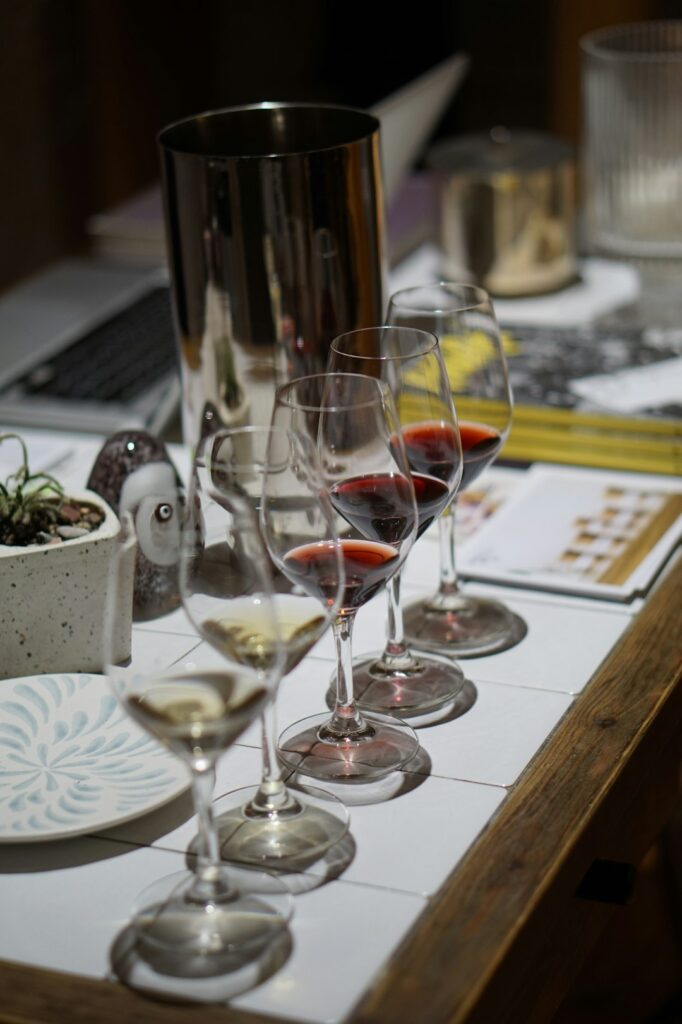
A first wine tasting is usually more relaxed and educational than many people expect. You do not need advanced wine knowledge, a trained palate, or the ability to identify every aroma. The basic goal is to taste carefully, notice differences, and learn what styles you enjoy.
In Chippewa Falls, WI, seasonal weather and practical local habits may affect how people plan an outing. Winter conditions can make transportation more complicated, while warmer months may encourage slower, social gatherings. Regardless of the season, the tasting process itself follows a few common steps.
What happens during a wine tasting?
Most tastings involve several small pours served in a planned order. A host may explain each wine, describe its ingredients or production method, and invite guests to compare color, aroma, flavor, texture, and finish.
A tasting may include:
- A welcome explanation of the tasting format
- Several wines served in small portions
- Background about grape varieties, regions, or winemaking methods
- Time to smell and taste each wine
- Opportunities to ask questions
- Water and sometimes plain food to refresh the palate
The amount served is generally much smaller than a standard glass of wine. This allows participants to sample several wines without treating each pour as a full drink.
Some tastings follow a set menu, while others allow guests to choose from a selection. The format may also vary between a seated tasting, a guided counter experience, or a casual event with food pairings.
Do you need to know anything about wine beforehand?
No. A wine tasting is designed to help people learn through direct experience, not to test existing knowledge.
It is perfectly acceptable to ask basic questions such as:
- What type of wine is this?
- Is it sweet or dry?
- What foods pair well with it?
- Why does this wine taste different from the previous one?
- Is the flavor difference related to the grape, the aging process, or the serving temperature?
Wine terms can seem unfamiliar at first. “Dry” usually means the wine has little noticeable residual sugar, while “sweet” describes a wine with more perceived sugar. “Body” refers to how heavy or light the wine feels in the mouth. “Acidity” creates a crisp or tart sensation, and “tannin” can produce a drying feeling, especially in some red wines.
There is no requirement to use these terms perfectly. Describing a wine as fruity, sharp, smooth, earthy, light, heavy, or simply “not to my taste” is useful feedback.
How should you taste the wine?
A simple four-step process works well: look, smell, taste, and reflect.
First, look at the wine. Notice its color and clarity. White wines may range from nearly clear to golden, while red wines can vary from bright ruby to deep purple or brick tones. Color can offer clues, but it does not determine whether a wine will appeal to you.
Next, smell the wine. Gently swirl the glass if the setting allows it, then take a short sniff. Swirling increases the wine’s contact with air and can make aromas easier to detect. You may notice fruit, flowers, herbs, spices, wood, or mineral-like qualities.
Take a small sip and let the wine move across your tongue. Consider whether it feels light or full, crisp or soft, smooth or drying. Pay attention to how long the flavor remains after swallowing or spitting. That lasting impression is often called the finish.
Finally, reflect on your reaction. Ask yourself:
- Did I enjoy it?
- Was the flavor stronger or lighter than expected?
- Did the wine change after a few seconds?
- Would I want it with food?
- What other wine in the tasting did I prefer?
Personal preference is the most useful result. A wine can be well-made and still not suit your taste.
Is spitting allowed at a wine tasting?
Yes. Spitting is a normal and accepted part of formal wine tasting. Small tasting cups or spittoons may be available for guests who want to evaluate several wines while limiting alcohol consumption.

Spitting is not required at a casual tasting, but it can be helpful if the event includes many pours. Even small samples add up, especially when tasting on an empty stomach or over several hours.
Anyone who plans to drive should arrange transportation that does not depend on personal alcohol consumption. This matters year-round, and winter road conditions in the area can make cautious planning especially important. Choosing a designated driver, using a rideshare option where available, or attending with someone who will not drink can reduce risk.
Should you eat before attending?
Eating a light meal or snack beforehand is usually a good idea. Wine can affect an empty stomach more quickly, and tasting events may not provide enough food to serve as a complete meal.
Good options include foods with protein, carbohydrates, or healthy fats. A simple meal is often more helpful than arriving hungry and relying only on small tasting snacks.
During the tasting, drink water regularly. Water helps cleanse the palate and supports hydration, although it does not cancel the effects of alcohol. Avoid using strong gum, heavily flavored candy, or very spicy foods immediately before the event because they may interfere with your ability to notice delicate aromas and flavors.
What should you wear and bring?
Comfortable clothing is usually the most practical choice. Wine can stain fabric, and crowded tasting spaces may involve standing or moving between tables. Darker, washable clothing may be sensible if spills are a concern.
Avoid strong perfume, cologne, scented lotion, or heavily fragranced hair products. Strong scents can interfere with your own ability to smell the wine and may distract other participants.
A small notebook or phone note can be useful for recording:
- Wine names or styles
- Preferred sweetness and acidity levels
- Favorite aromas
- Food pairing ideas
- Questions to explore later
There is no need to take detailed notes on every sample. A few words such as “bright and citrusy” or “full but too dry” may be enough to identify patterns in your preferences.
How do food pairings affect the experience?
Food can change how a wine tastes. Salty, fatty, spicy, sweet, or acidic foods may make the same wine seem softer, sharper, sweeter, or more bitter.
For example, a crisp wine may taste refreshing with lighter foods, while a fuller red may seem more balanced beside rich or savory dishes. Sweet foods can make a dry wine taste more acidic or less fruity. These effects are not signs that the wine is defective; they reflect the interaction between food and wine.
Pairings are suggestions rather than strict rules. If a recommended combination does not appeal to you, that does not mean you tasted it incorrectly.
What etiquette should first-time guests know?
The most helpful etiquette is simple: listen, ask questions respectfully, and avoid rushing the group.
Allow the host to finish explaining a wine before moving to the next sample. Keep the glass by its stem when possible, since holding the bowl can warm the wine and leave fingerprints. If you dislike a sample, there is no need to make a dramatic reaction. A neutral comment such as “That style is not my preference” is enough.
It is also reasonable to decline a pour, skip a sample, or stop tasting before the event ends. Guests have different tolerance levels, dietary concerns, medications, and personal reasons for limiting alcohol.
A first wine tasting is most useful when approached as a sensory learning experience rather than a performance. Pay attention to what you notice, stay open to unfamiliar styles, and let your own preferences guide the experience.